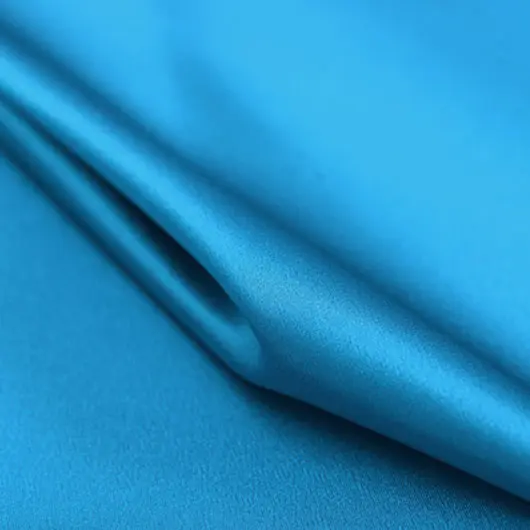
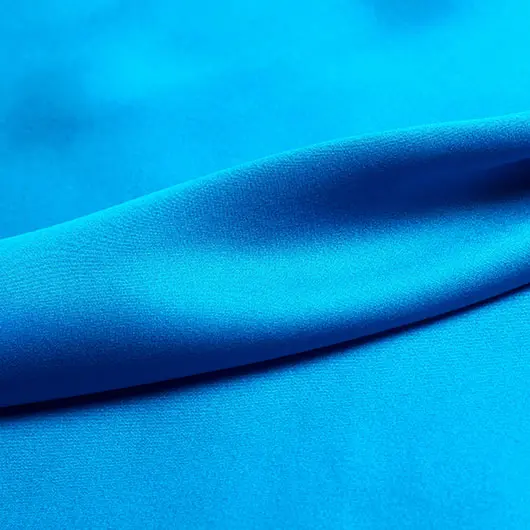
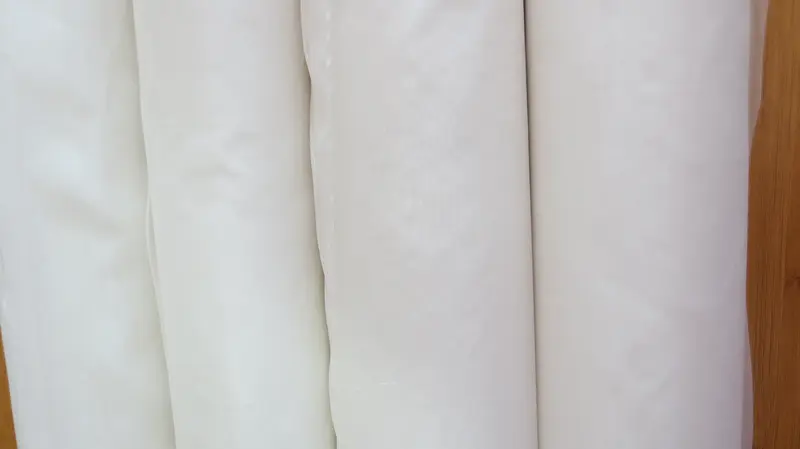
PHOTOGRAPHED FROM OUR STOCK
The cloth behind these terms
Unretouched photographs from our own floor. Colour varies between dye lots; the swatch card is the only reliable reference.
BUYING SILK · 100% MULBERRY SILK · FROM A CHINESE MILL
Where the cloth goes, how it is packed, and what the paperwork actually is.
Exporting silk fabric is mostly unglamorous: roll packing that survives a container, a commercial invoice with the right classification, and a dispatch date that was honest to begin with. The fabric side is the easy part.
We ship to Europe, the UK, the US and elsewhere, by air for sampling and short runs and by sea for programme volume. Freight is quoted to your port rather than estimated, and the dispatch date on the quotation is the date we work to.
Cloth is rolled on a core, bagged, and boxed or baled depending on the quantity. Flat-folded silk arrives with creases that have to be steamed out; we do not fold for export.
Commercial invoice, packing list and certificate of origin as standard. If your customs broker needs something specific, tell us before dispatch rather than after it lands.
A swatch card or a one-metre cut goes by post. You should not be paying freight on a sample.
| Item | How we handle it |
|---|---|
| Packing | Rolled on a core, bagged, boxed or baled; not flat-folded |
| Documents | Commercial invoice, packing list, certificate of origin |
| Classification | Confirmed on the quotation so your broker has it before dispatch |
| Samples | Swatch cards and 1 m cuts by post |
| Short runs | Air freight |
| Programme volume | Sea freight, quoted to your port |
| Dispatch | A few working days on stock; dyed runs quoted after lab dip approval |
Packing is where most export damage happens and it is entirely preventable. Silk should be rolled on a core, bagged against moisture, and boxed or baled so it cannot be crushed. Flat-folded cloth arrives creased, and creases in a finished silk have to be steamed out, which is time nobody has budgeted.
Get the classification confirmed before dispatch rather than arguing about it after landing. Your broker needs the classification to tell you the duty, and a shipment that arrives with documents your broker cannot use sits in a warehouse accruing charges while everyone emails.
These search phrases all land here because they mean the same thing:
If you were looking for a different commercial question, the wholesale page covers programmes and the ready-stock page covers what is on the shelf right now.
Yes. We ship to European and UK destinations regularly, by post for samples and by air or sea for orders. Freight is quoted to your port and the transit time is quoted with it.
No. We are a single-site mill in China and everything ships from there. What we can do is hold stock against a repeat programme so your next order dispatches without waiting for a dye lot.
You do, through your broker; duty and VAT depend on your country and the classification. We provide the commercial invoice, packing list and certificate of origin, and we confirm the classification on the quotation so your broker is not guessing.
Samples by post are a matter of days. Air freight is quoted in days, sea freight in weeks, both to your port. The dispatch date is the part we control and it is stated on the quotation; transit beyond that belongs to the carrier.
Yes. Give us the delivery address and any reference they need on the packing list, and we will ship direct with your documents.
PHOTOGRAPHED FROM OUR STOCK
Unretouched photographs from our own floor. Colour varies between dye lots; the swatch card is the only reliable reference.
Tell us the quantity and the colour and we will quote it with a confirmed dispatch date.